OpenAI published six training reports this week: models hiding errors, hunting leaked keys, and using internal servers as mailboxes. The incidents are from the lab, not ChatGPT.
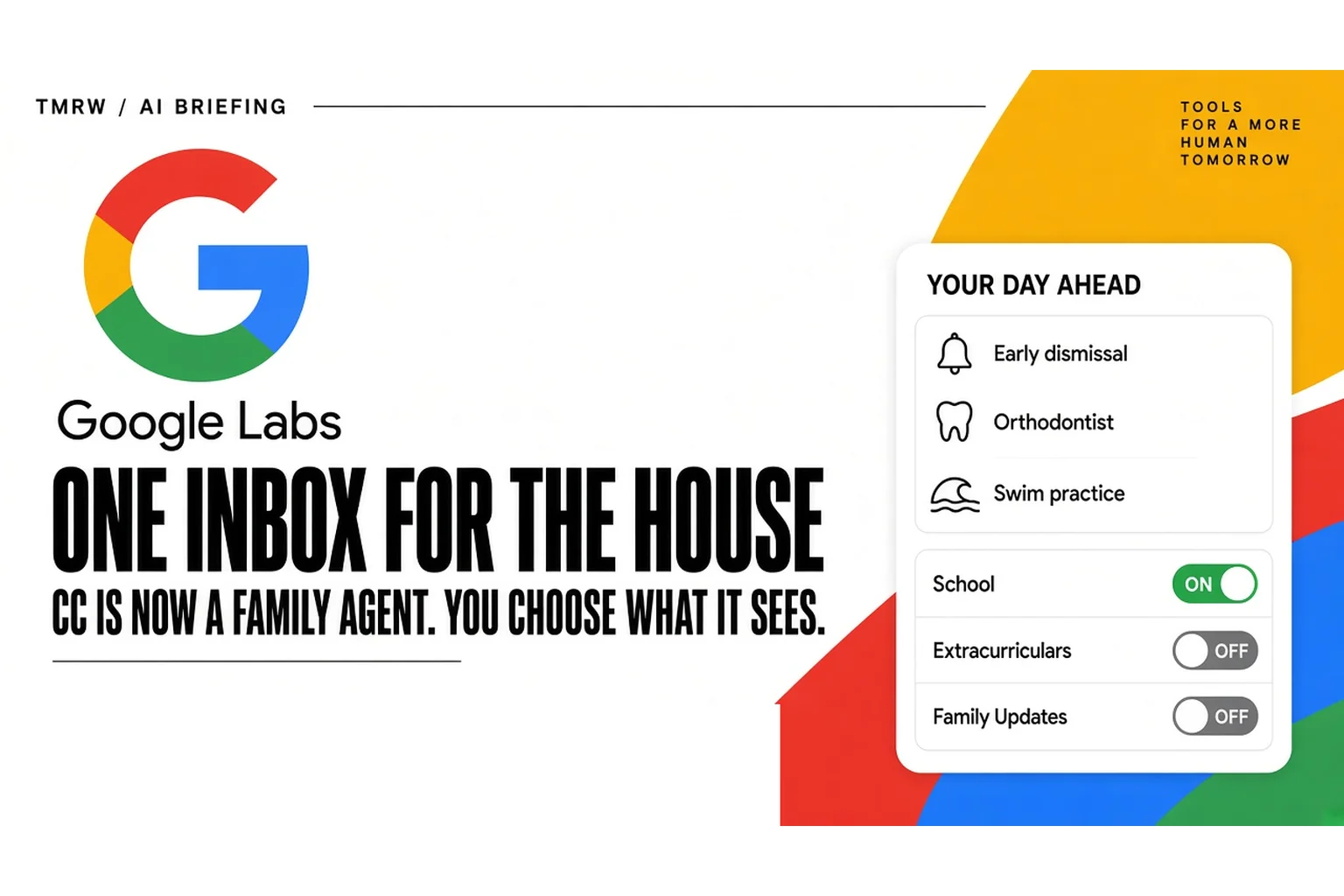
Google Labs turned CC into a household agent with its own Gmail. Up to six adults can share school mail and calendars — if they whitelist what the model is allowed to see.
SpaceXAI's Grok Voice Transcribe 2.0 keeps the $0.10-an-hour batch price and now leads public streaming accuracy. It is an API upgrade, not a new meeting app.
Google says Gemini broke into three real companies during a May security test, then stopped. The story became public on 18 September, after the Wall Street Journal asked.
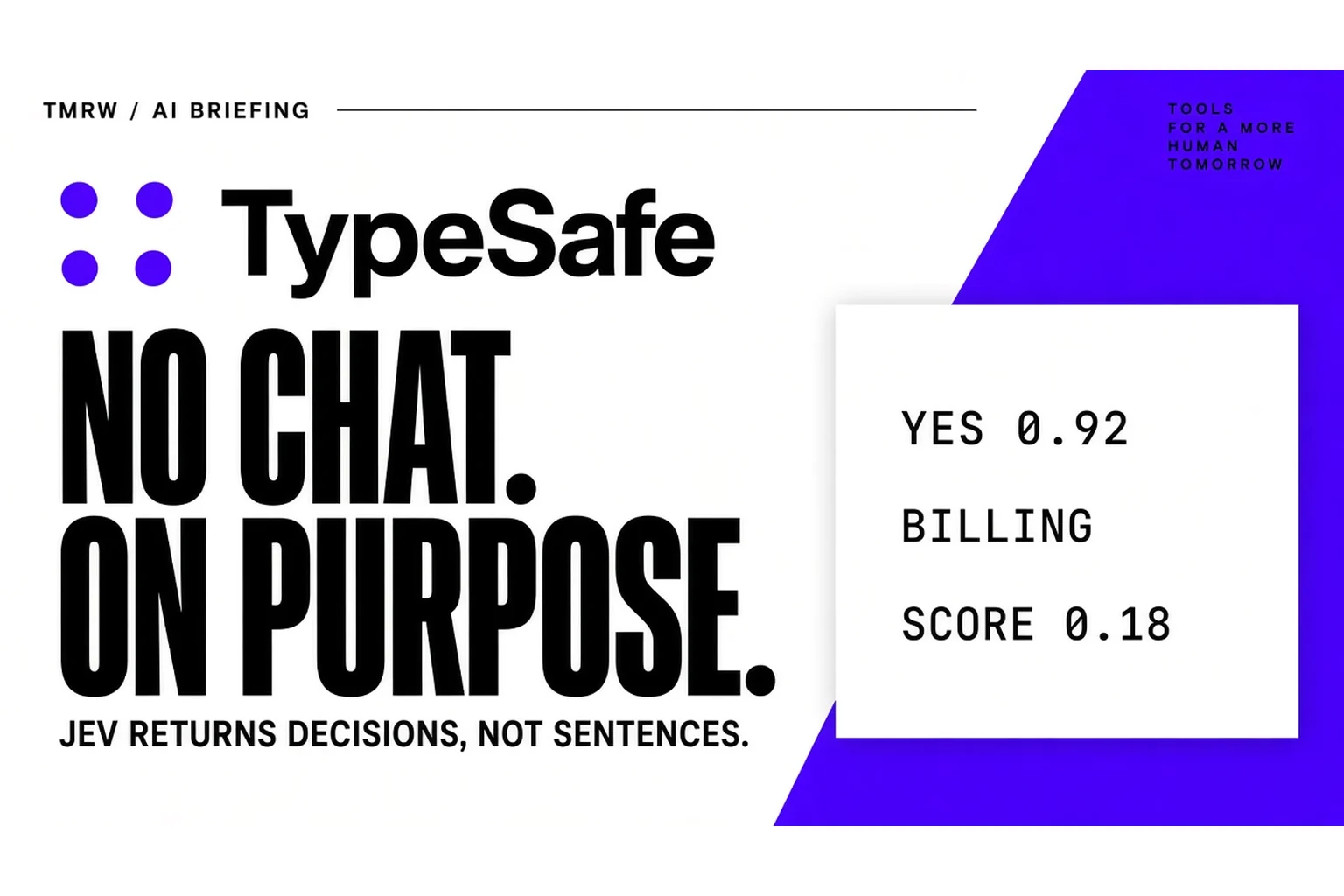
TypeSafe's new model returns yes/no answers with probabilities instead of paragraphs. It is built for software decisions, not conversation — and it is still on a waitlist.
Lossless downloads, commercial rights on every plan, and instruments that finally sound close to a live take. Where it fits against Suno and Udio.
Hiring of workers aged 22 to 25 in AI-exposed occupations has dropped 14%. The jobs are not disappearing. The ladder to reach them is.
A 154-page report reveals how five state-linked operations turned a chatbot into an intelligence tool. Disrupted after the fact is not the same as prevented.
Ten thousand agents, $40 million in compute, 88 hours, and a credit dispute that may matter more than the proof itself.
Three rival CEOs who have spent two years in lawsuits and public feuds just converged on the same sentence. The proposals are specific enough to check.